Most first trips to Spain run on rails: Madrid, Barcelona, Seville, maybe Granada. All extraordinary — and all busy. But the country's real magic is often a 40-minute detour off the main road, in towns most visitors never reach. This isn't a complete list (that would run to hundreds). It's a hand-picked half-dozen — one each from six different regions — to show what's out there and give you a feel for the kinds of places worth building a day around.
What Makes a Spanish "Hidden Gem"?
Spain is one of the most geographically lopsided countries in Europe when it comes to tourism. A handful of cities and the Mediterranean coast absorb the overwhelming majority of visitors, while vast stretches of the interior — Teruel, the Maestrazgo, inland Castile — are so sparsely populated they've earned a nickname: la España vaciada, "emptied Spain." That emptiness is exactly why the towns there feel frozen and uncrowded: history without the queues.
The gems fall into a few rough types — medieval hill towns that time forgot, fishing villages stacked above working harbours, and mountain retreats reached by a single winding road. What they share is that they reward the effort of getting there. None is hard to reach with a car; none is on the typical first-timer's itinerary.
Six Gems Worth the Detour
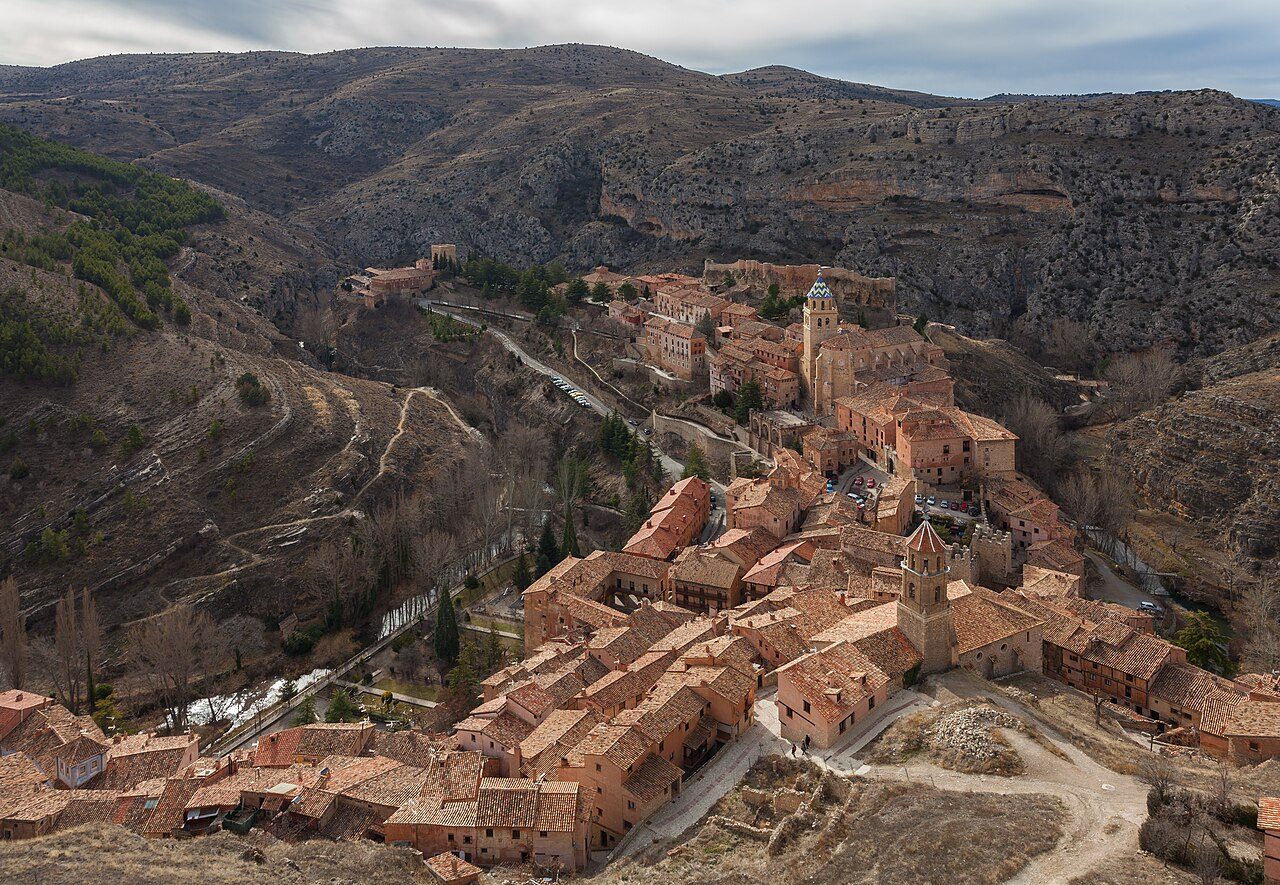
1. Albarracín — Aragón
Routinely voted one of the most beautiful villages in Spain, Albarracín curls around a horseshoe bend of the Guadalaviar river, its houses rendered in a pinkish gypsum the exact colour of the cliffs behind them. Defensive walls climb the ridge above the town like a smaller Great Wall. It sits deep in Teruel — one of the least-populated provinces in Western Europe — so even in summer it never feels overrun. Wander the stepped lanes, walk a stretch of the walls, and stay for dinner once the day-trippers have gone.
Pair it with: a detour off the Valencia–Madrid axis, or a night in Teruel (40 minutes away, and home to spectacular Mudéjar towers). Best in spring and autumn — winters here are genuinely cold.
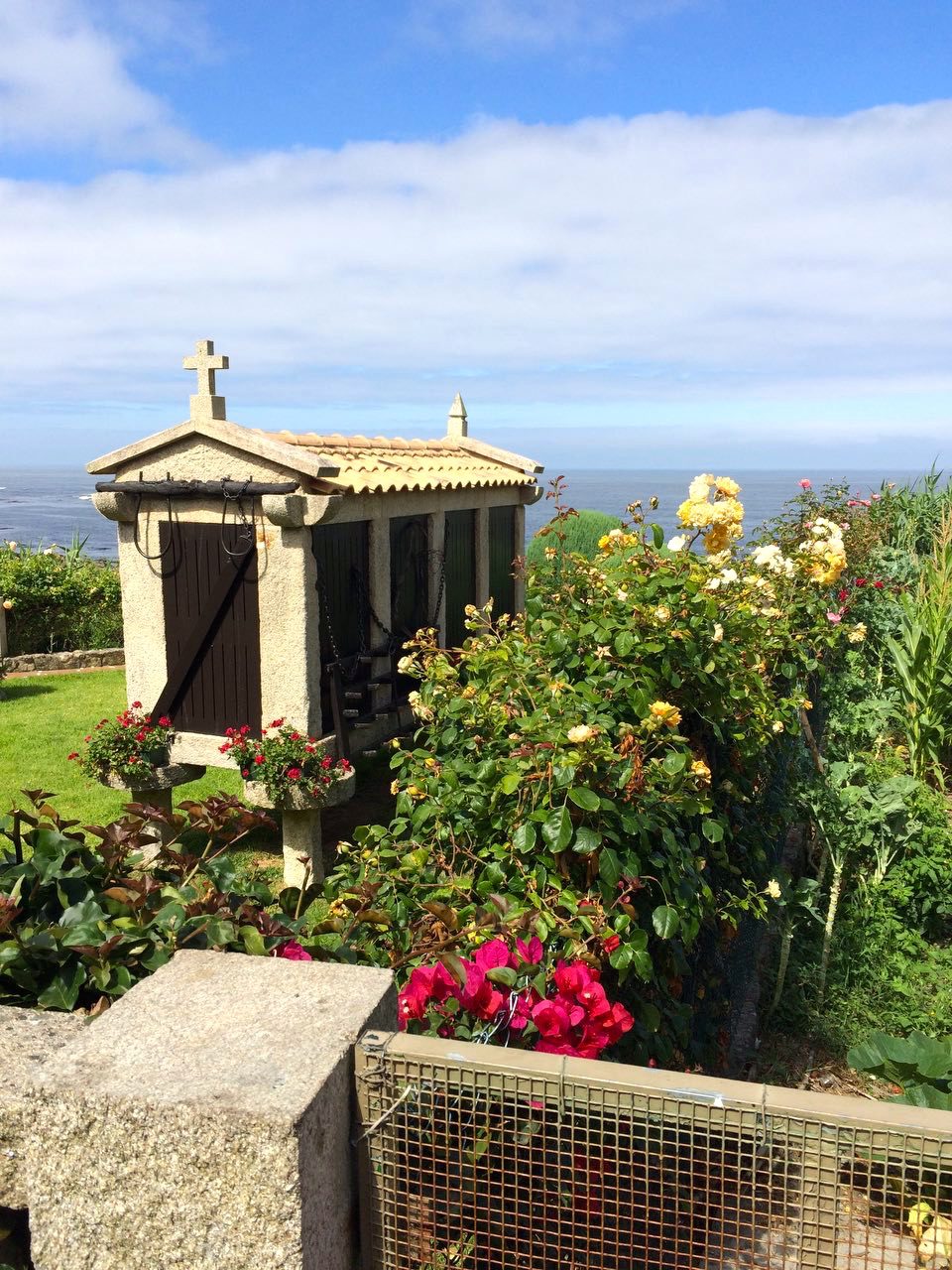
2. Combarro — Galicia
On the calm Ría de Pontevedra, Combarro is famous for one of Spain's most photogenic waterfronts: a row of hórreos — raised stone granaries on stilts — standing right at the water's edge, interspersed with cruceiros (carved stone crosses). The protected old town behind them is a tangle of narrow granite lanes that smell of the sea and grilled pulpo. It's small enough to see in an afternoon and lovely at high tide.
Pair it with: Pontevedra (10 minutes) or a seafood-focused day in the Rías Baixas. It's already a stop on our 7-day Galicia road trip.
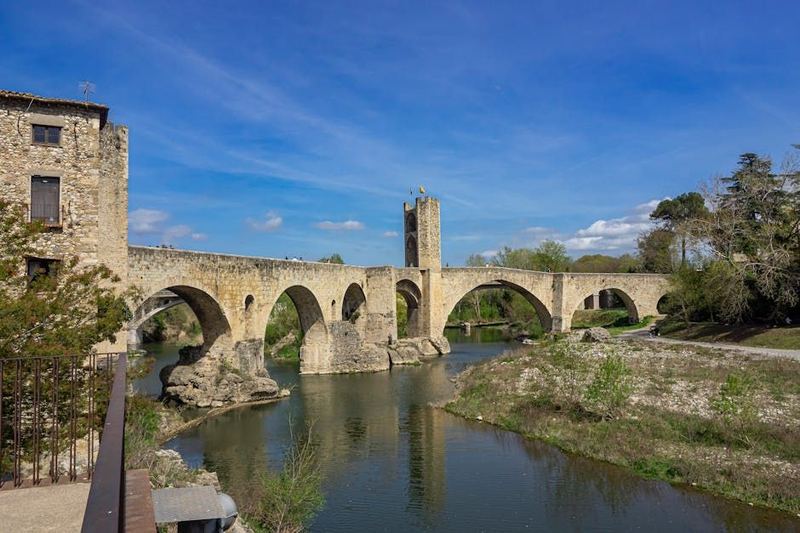
3. Besalú — Catalonia
You enter Besalú across a 12th-century fortified bridge that zig-zags over the Fluvià river — one of the great medieval arrivals in Spain. Inside is one of the best-preserved Jewish quarters in the country, including a rare surviving mikvé (ritual bath) hidden down by the river. The whole town is a national historic monument, and it's the gateway to the Garrotxa volcanic zone, a green landscape of dormant cones and beech woods.
Pair it with: Girona (45 minutes) or a day trip from the Costa Brava. Combine with nearby Castellfollit de la Roca, a village built on a sheer basalt cliff.
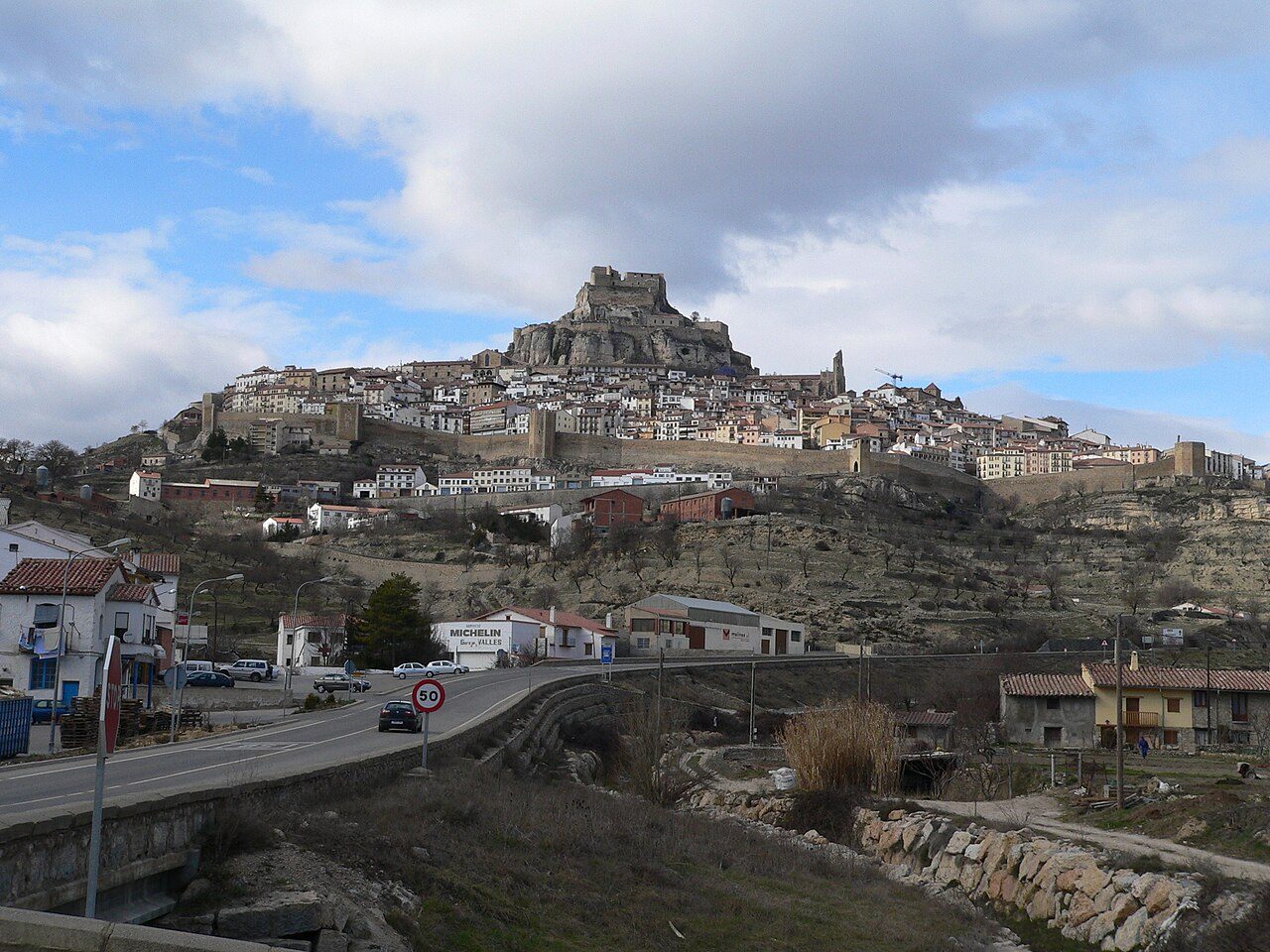
4. Morella — Valencian Community
Rising out of the remote inland Maestrazgo, Morella is a fortress town crowned by a castle on a rocky outcrop and wrapped in roughly a kilometre and a half of intact medieval walls. The approach — walls and towers stacked up a lone hill against the mountains — is unforgettable. Inside: a Gothic basilica, a 14th-century aqueduct, steep arcaded streets, and bracing mountain air. It's a long way from anywhere, which is precisely why it's stayed so unspoiled.
Pair it with: a drive between the Valencian coast (Castellón / Peñíscola) and inland Aragón. Bring a layer — at 1,000 m it's cooler than the coast year-round.
5. Cudillero — Asturias
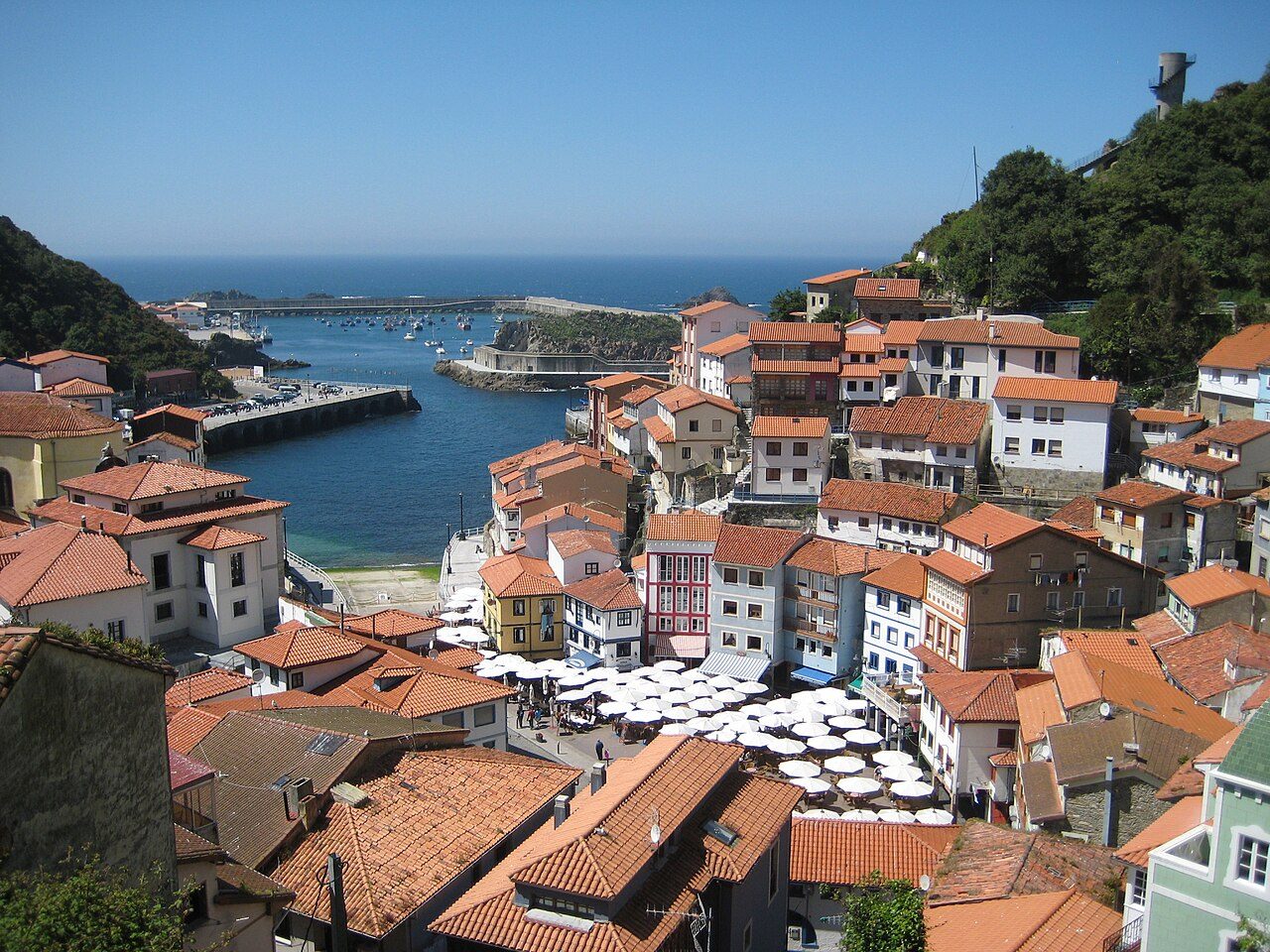
On Spain's green, under-visited north coast, Cudillero is a fishing village built into a near-vertical amphitheatre of rock, its brightly painted houses banked steeply around a tiny working harbour. There's not much to "do" beyond climb the lanes to a viewpoint, watch the boats, and eat seafood that was swimming that morning — and that's the whole point. It's the antidote to the Mediterranean resort coast.
Pair it with: Oviedo or Gijón, or a wider north-coast drive — the dramatic Playa de las Catedrales near Ribadeo is along the same coast.
6. Valldemossa — Mallorca
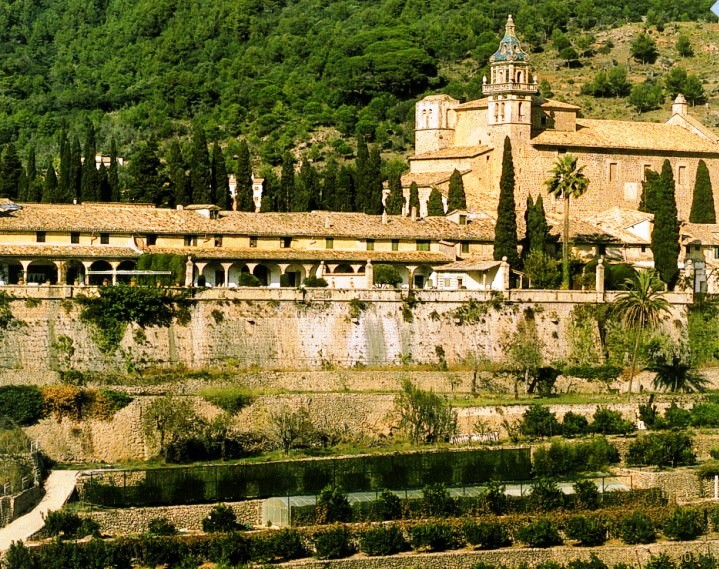
Proof that the Balearics are far more than beach resorts. Tucked into the UNESCO-listed Serra de Tramuntana, Valldemossa is a village of honey-coloured stone houses with green shutters and flower-filled lanes. Its claim to fame is the Real Cartuja (Royal Charterhouse), the former monastery where Frédéric Chopin and the writer George Sand spent the winter of 1838–39 — a stay she turned into a famous (and famously grumpy) book. Go early or out of high season; it's no secret, but mornings are magical.
Pair it with: a drive along the Tramuntana to Deià and Sóller — one of the Mediterranean's great mountain coast roads.
How to Work Them Into a Trip
The trick with hidden gems is restraint: they're detours, not anchors. Slot one into a day that's otherwise built around a bigger base, rather than trying to string several remote villages into a single marathon drive. A good rule is one gem per travel day — enough to make the detour feel special without turning your holiday into a series of car parks.
Almost all of these need a car. Public transport to small interior towns in Spain ranges from sparse to non-existent, and the joy of these places is partly the drive in. If you're renting, our Spain car-rental guide covers the insurance traps and ZBE low-emission zones worth knowing about first.
- Sleep over where you can. Tiny towns transform after the day-trippers leave — and several have a Parador or a restored casa rural worth the night.
- Book ahead in small towns. One or two guesthouses can mean no beds in peak season. Reserve early.
- Spring and autumn win. The interior bakes in July–August and chills in winter; April–June and September–October are the sweet spots.
This Is Just a Taster
Six towns barely scratch the surface — every region has its own quiet stars, from the volcanic badlands of the Bardenas Reales to the carved cave-streets of Setenil. Rather than hand you another generic list, our planner weaves lesser-known stops like these into a route that actually makes sense for your dates, your pace, and where you're already going — so the detours land in the right place instead of doubling your driving.
Want a Spain itinerary that mixes the must-sees with gems like these — routed sensibly around your trip?
Build My Spain Trip →